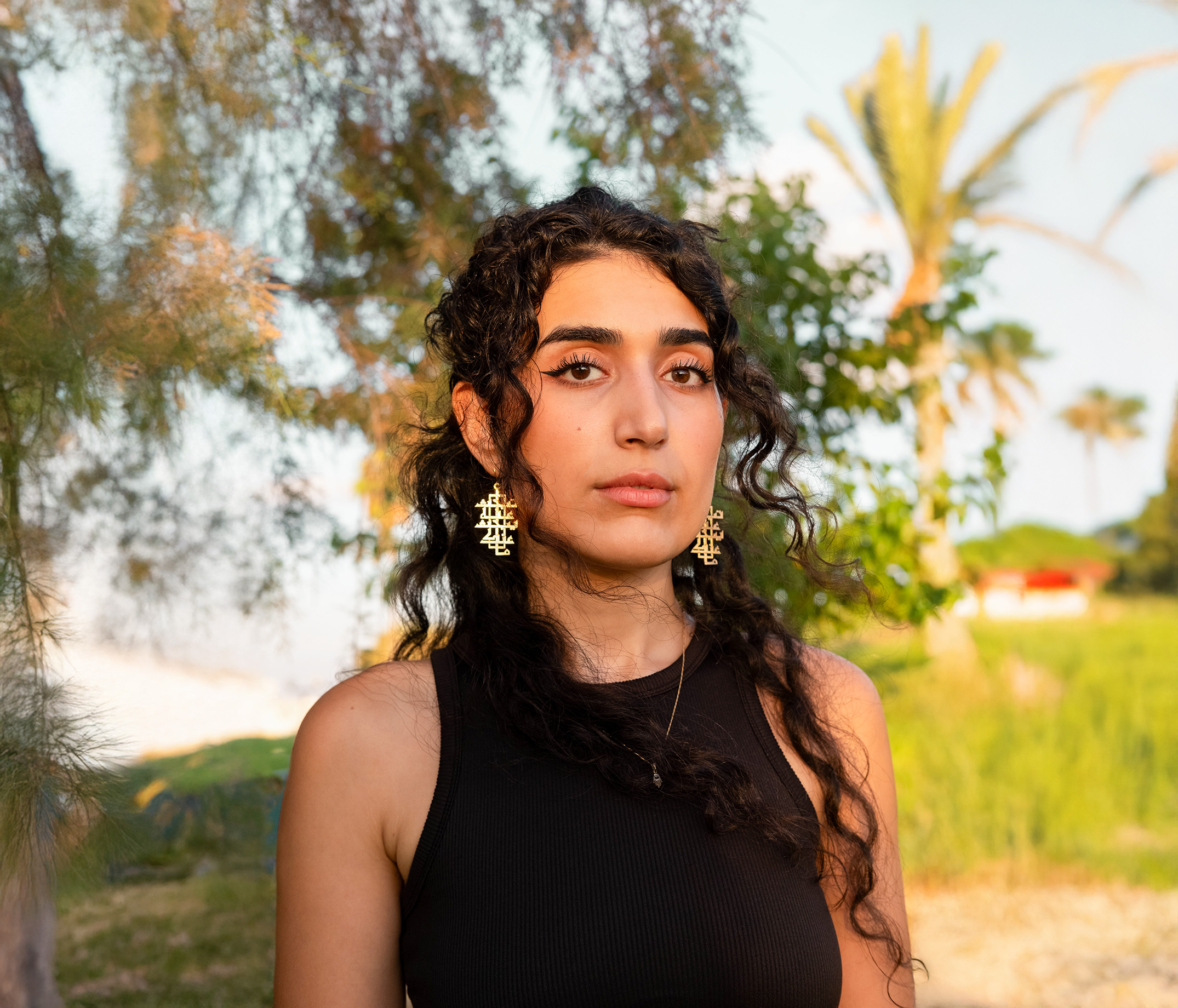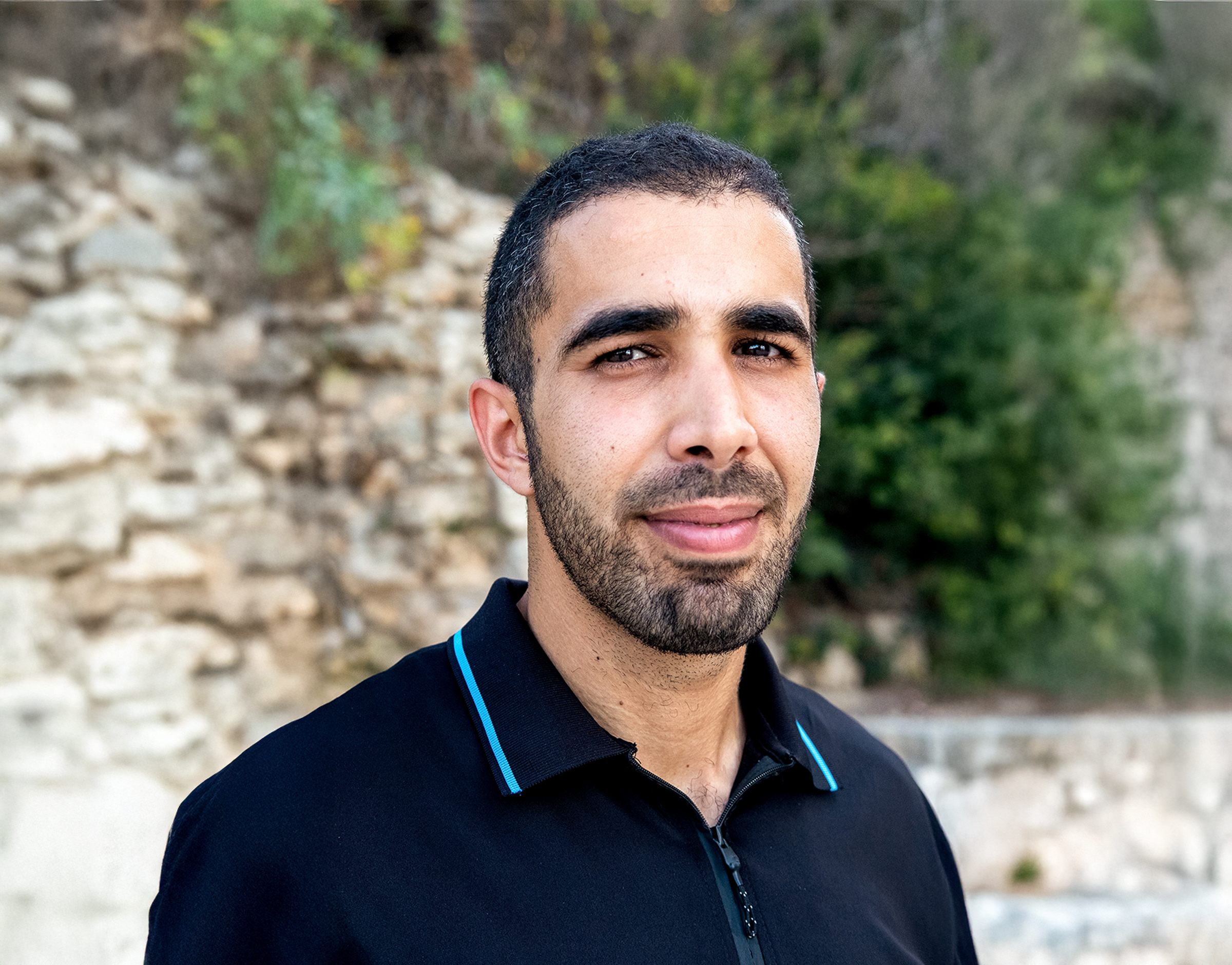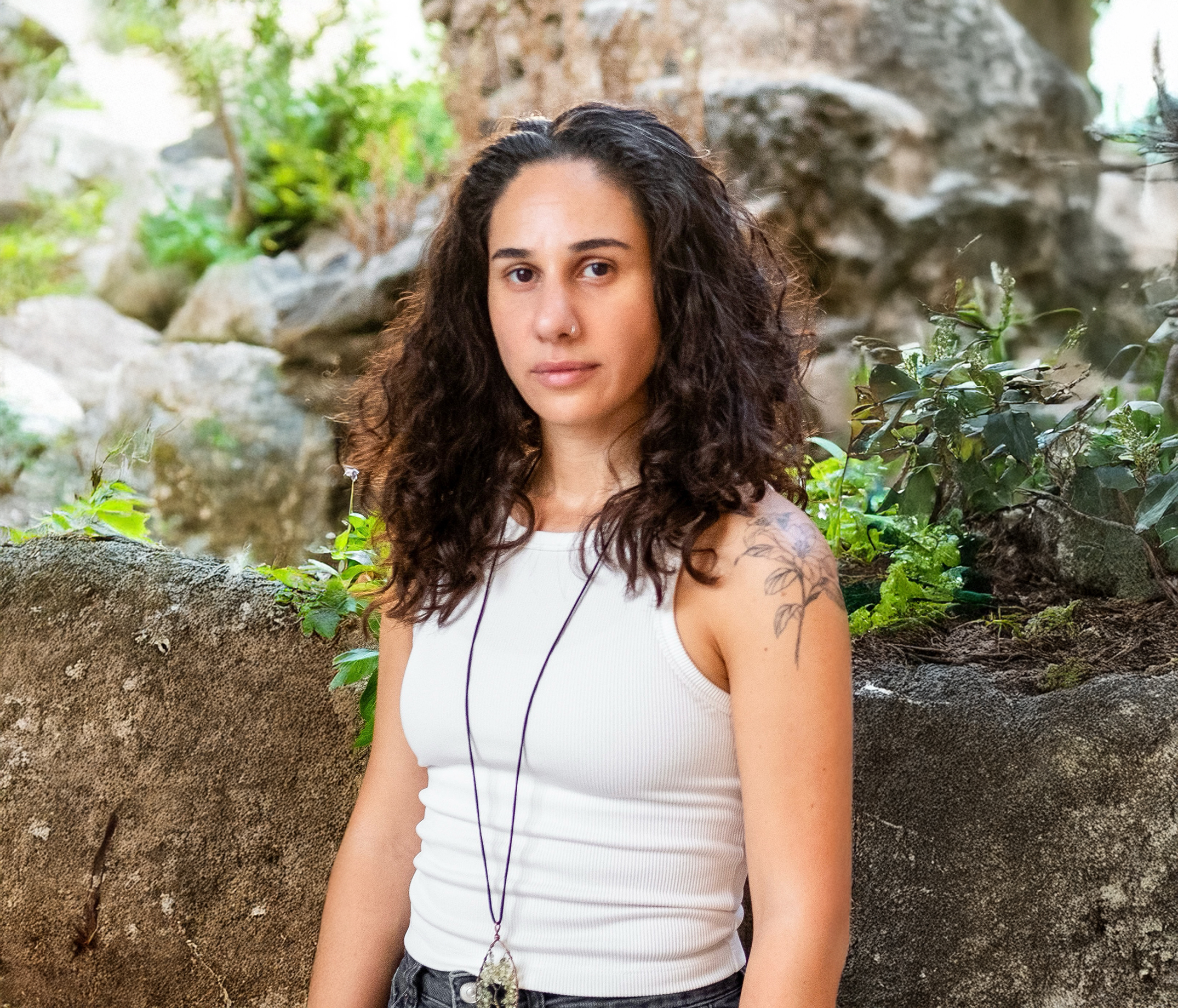

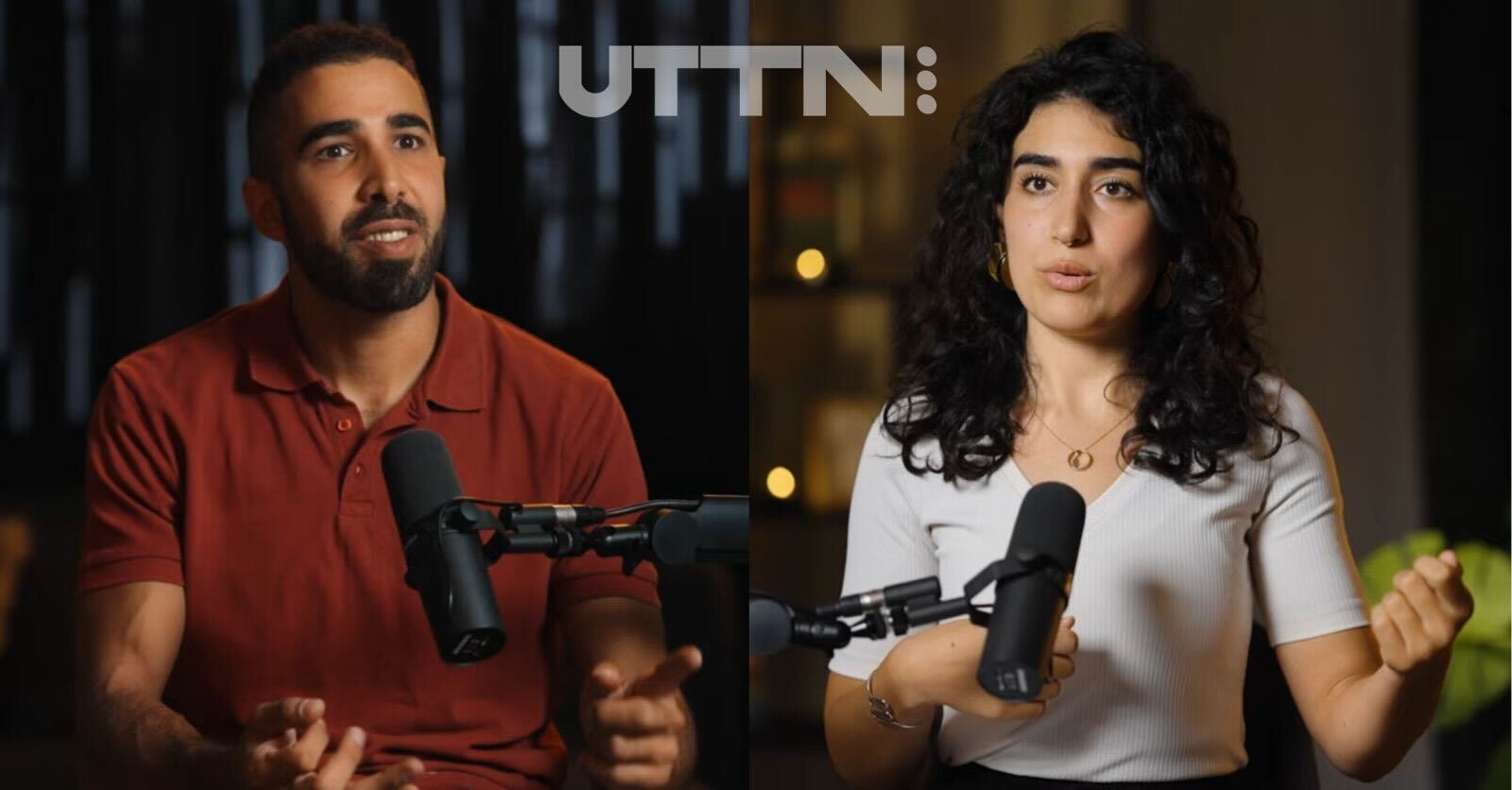
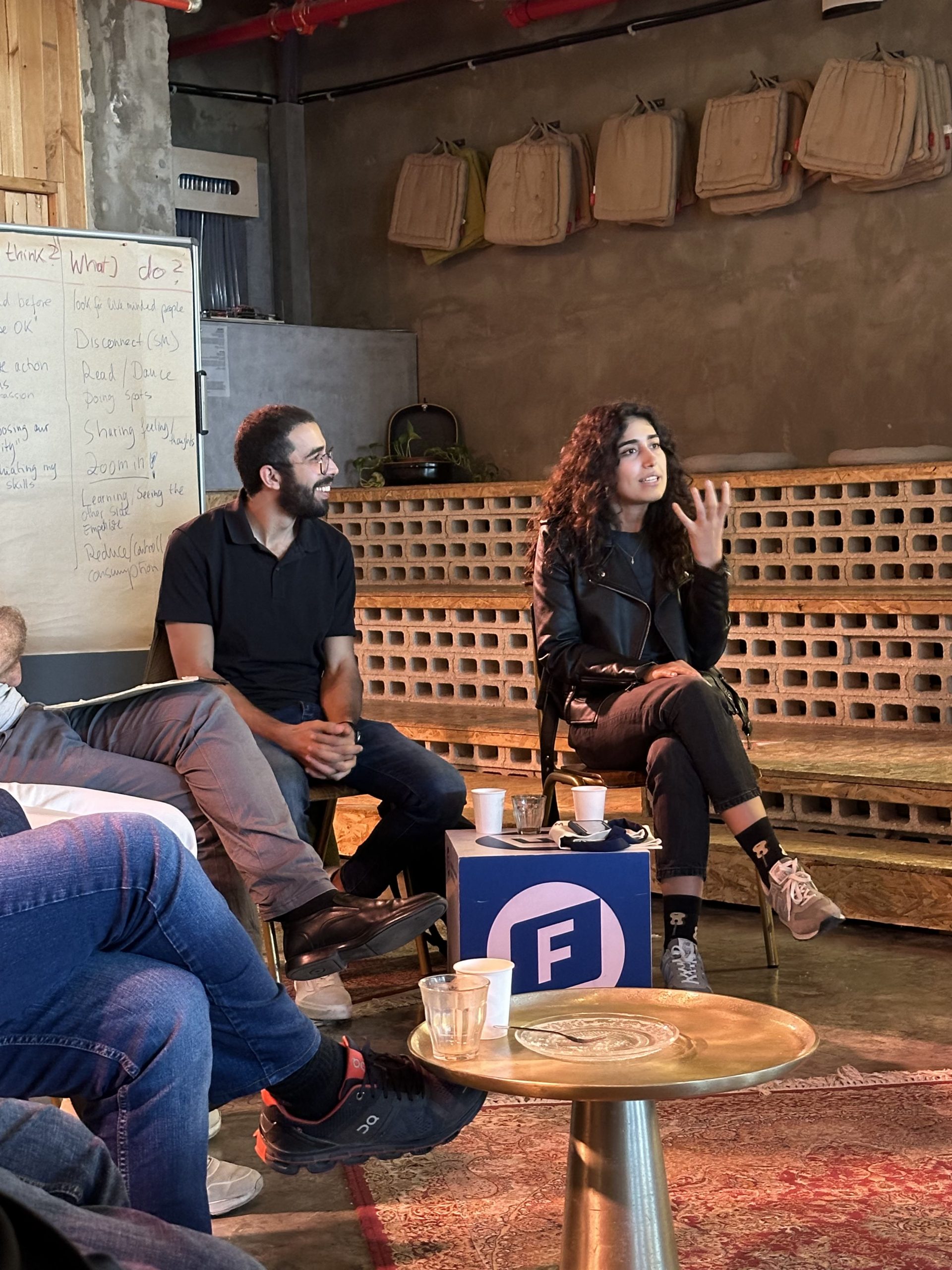

UTTN is an independent podcast created and hosted by two Palestinian activists, Amira Mohammed ‘67 and Ibrahim Abu Ahmad  ‘48.

The events of October 2023 were a breaking point—a stark reminder that time had run out and action was no longer a choice, but an urgent necessity. In a world where Palestinian activists are often tokenized and their cause diluted, it was past due for a new Palestinian-led initiative to emerge. Where a platform was to be created that refuses to compromise on justice while striving for a future built on trust, recognition and equality. We are Palestinians with Israeli citizenship, uniquely positioned to access and understand the realities, suffering, challenges, and aspirations of both peoples. This allows us to foster empathy, embrace complexity, and cultivate change.

1948

This number not only refers to the year of the Nakba (‘catastrophe’), but also to the community of over two million Palestinians who remained in their homes and villages in areas that became part of the State of Israel in 1948, and who eventually became Israeli citizens.

1967

This number refers to the Naksa (‘setback’) and to Palestinians whose identity and lived reality were shaped after Israel’s occupation of Gaza, the West Bank, and East Jerusalem in 1967. In 1980, Israel illegally annexed East Jerusalem, leaving Jerusalemite Palestinians stateless, without full citizenship or the right to vote.

Why Unapologetic?

As a proudly Palestinian-led initiative, we are committed to amplifying voices often silenced or misrepresented. Too often, international narratives reduce Palestinians to stereotypes of violence or victimhood, ignoring those who work tirelessly to break the status quo.

We are unapologetic about two things:


1. Our Palestinian identity that transcends borders and suffering. 
2. Our demand for a better future—one of justice, collective liberation, and actual peace.

Peace, for us, is not the hollow term it has become, co-opted to uphold the status quo, maintain power imbalances, and perpetuate occupation and siege. We reclaim it as a call to action to fulfill the needs of the people.

Why a Third Narrative?

For decades, the narratives surrounding Palestine and Israel have been deeply polarized, leaving little room for constructive discourse. These narratives not only fuel division but also sustain the very structures of inequality that prevent a just future.

A Third Narrative is essential to break this cycle.

The Third Narrative is a unique and inclusive community who share our pursuit of seeking real solutions. It offers a future that does not simply mediate between two sides but transforms the conversation altogether—paving the way for real, meaningful change.

Our Mission Statement

KHALAS (ENOUGH)!

We call for an end to the systemic injustices that have taken place on this land for more than a century.

We envision a future where everyone between the river and the sea can live in dignity and safety once and for all.

Our Core Values

Our core values emphasize raising awareness and educating the public about the needs of the people on this land, recognizing that understanding these urgent needs is essential to reaching any potential solution.


While we may differ on the path forward, we are united in our shared goal: a better future. For us, this isn’t about accepting the status quo; it’s about reimagining it. We believe that differing strategies are valid, but what truly matters is a commitment to a common future, because we all deserve better.

Who is the “We” in ‘We all deserve better’?

Our reality has been one of bloodshed, fear, suffering, oppression, division, and hatred. It is time for a major shift on this land, where the humanity, safety, and freedom of each individual—Palestinians, Israelis, Arabs, Jews, Muslims, Christians, Druze, and all others between the river and the sea—is recognized and respected.

Dialogue over debate

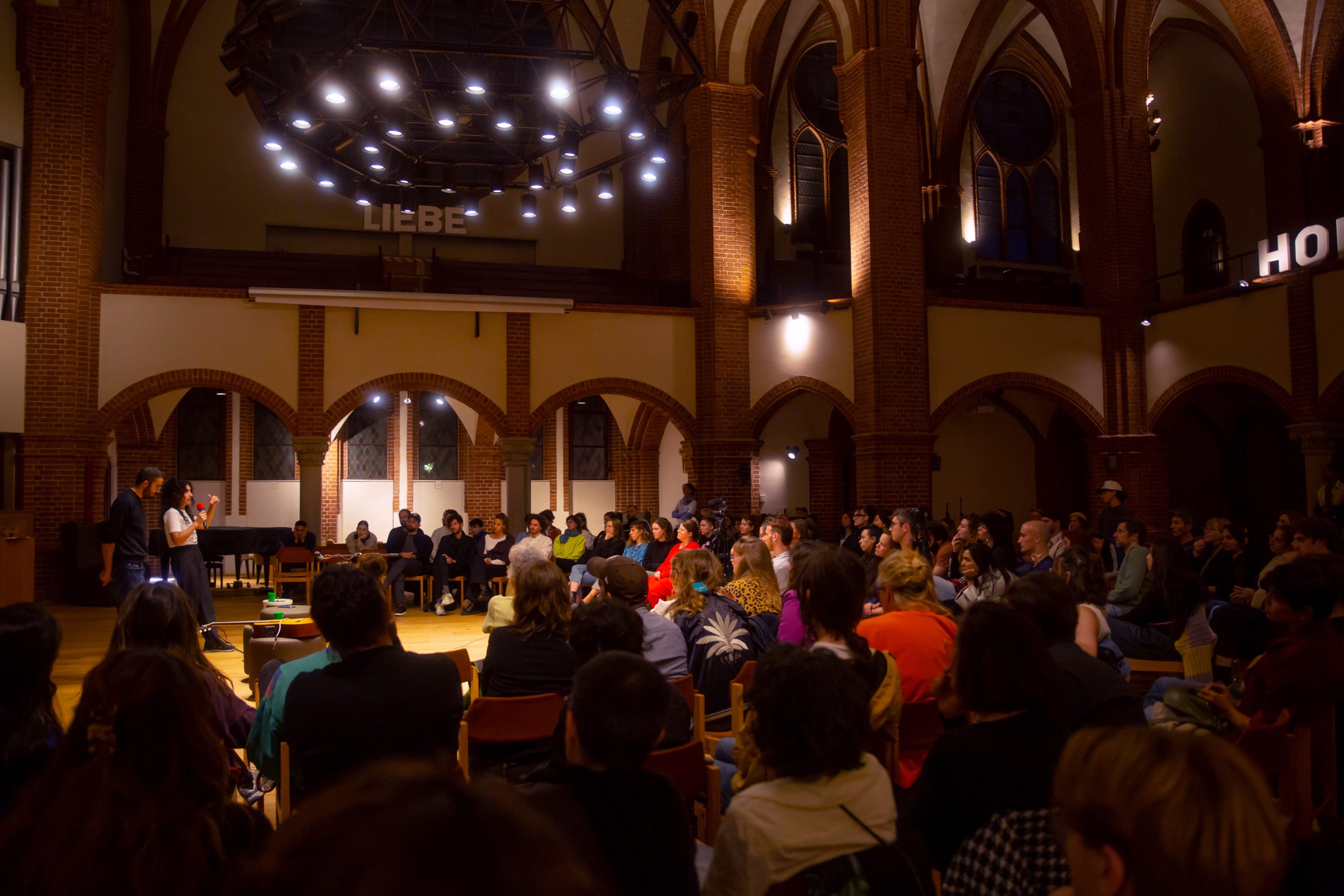
We believe dialogue can open hearts and minds. By listening deeply and approaching conversations with vulnerability, we can truly see one another and uncover potential shared values. Unlike debate, which often polarizes and focuses on “winning,” dialogue humanizes and creates space for connection, dignity, and compassion.

Engagement is not endorsement

On our platform, we are open to hosting individuals with diverse stories and opinions. This openness does not mean we endorse their statements or actions on or off our platform. While opinions may differ and/or shift over time, we remain committed to our values first and foremost.

People before land

The land between the river and the sea holds meaning only through its people. Without Palestinians and Israelis, it would be called something else, by someone else. Lines can be drawn in the sand, but lasting solutions come only from listening to the people themselves. That’s why we center and amplify the voices of those living on the ground.

Meet Our Team